

In the contemporary digital landscape, smartphones have become an essential part of everyday life, profoundly impacting how we communicate, work, and engage with the world. A critical component that enables these devices to function efficiently is the smartphone battery. Battery technology plays a significant role in defining the overall performance and user experience of smartphones. As a result, understanding the types of batteries commonly used in smartphones is crucial for users to maintain optimal battery health.
Understanding Smartphone Battery Health
The two prominent types of batteries found in modern smartphones are lithium-ion (Li-ion) and silicon-carbon batteries. Lithium-ion batteries are the most widely used due to their high energy density, lightweight characteristics, and ability to recharge efficiently. They rely on the movement of lithium ions between the anode and cathode to generate power, which allows smartphones to offer longer usage times with minimal weight.
On the other hand, silicon-carbon batteries are considered an emerging technology that combines silicon anodes with carbon materials to enhance battery performance. This combination can potentially offer higher energy capacities and improved longevity when compared to traditional lithium-ion batteries. As manufacturers explore the benefits of silicon-carbon technology, it is likely that we will see it increasingly integrated into future smartphone models.
The prevalence of these battery types in smartphones indicates their importance not only in powering devices but also in influencing factors such as charging speed, device design, and overall user satisfaction. Understanding these technologies can empower users to adopt practices that promote greater smartphone battery health and longevity.
The Chemistry Behind Lithium-Ion Batteries
Lithium-ion batteries are widely utilized as the power source in smartphones, playing a pivotal role in their functionality. Understanding the chemistry behind these batteries helps one appreciate their efficiency and longevity. At the core of a lithium-ion battery are two electrodes: the anode, commonly made of graphite, and the cathode, typically composed of lithium metal oxides. These components are suspended in an electrolyte solution that facilitates the movement of lithium ions.
During the charging process, lithium ions are extracted from the cathode and move towards the anode through the electrolyte. This movement is driven by an external electric current which forces the lithium ions to insert themselves into the layers of the graphite material in the anode. At this stage, the battery stores energy as the ions become embedded in the anode structure. It is this unique capability of lithium ions to intercalate into the anode where they can be held securely that makes lithium-ion technology exceptionally effective.
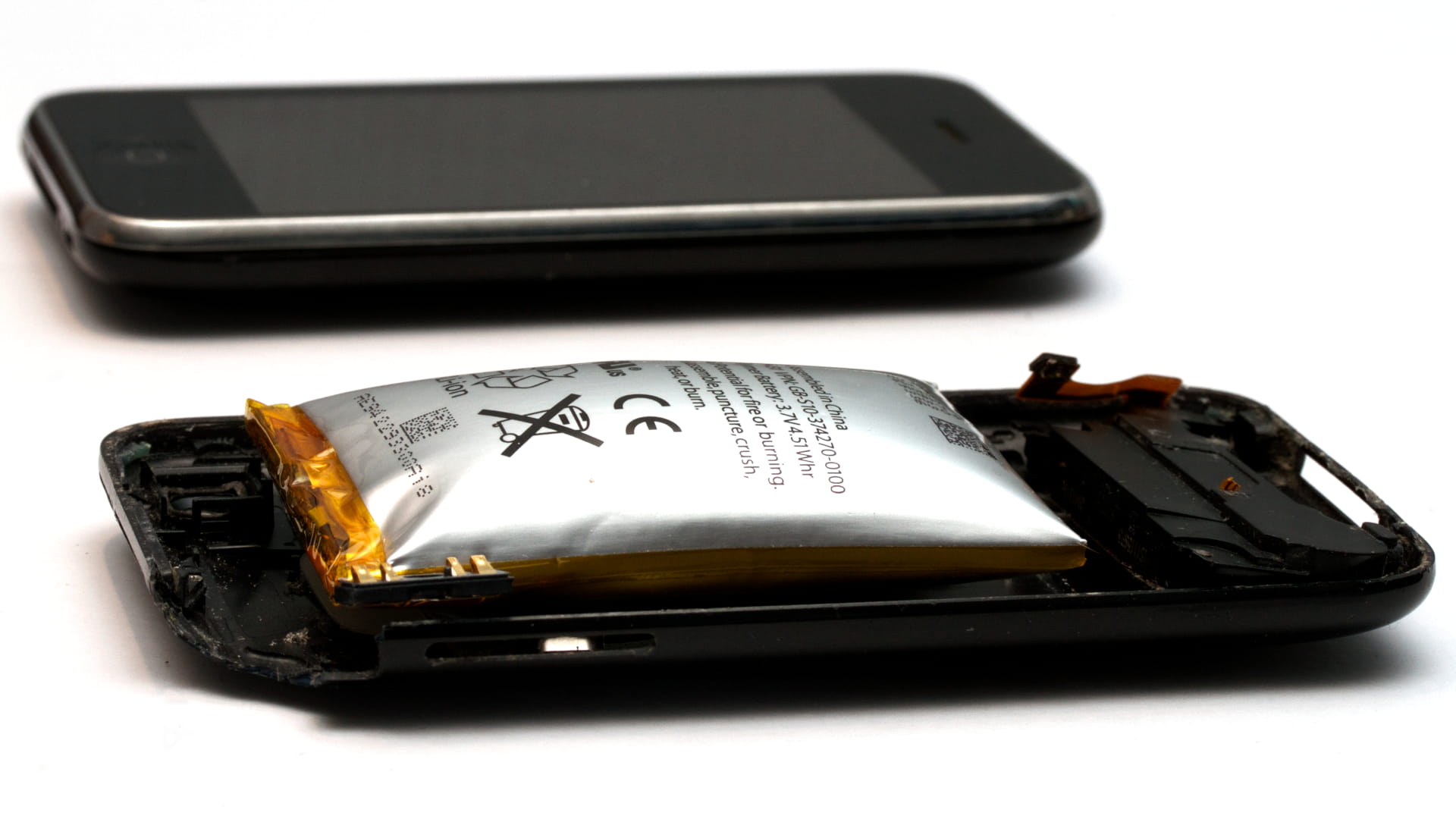
Conversely, during discharge—when a smartphone is in use—the lithium ions reverse their path and flow back to the cathode. This movement releases energy, powering the device. It’s important to note that this cycling of lithium ions between the electrodes is a chemical process heavily influenced by the quality of materials used and environmental factors such as temperature.
A critical aspect of battery health is the compound formation at the electrodes, particularly the growth of the solid electrolyte interface (SEI) on the anode. This layer plays a significant role in determining the lifespan and performance of the battery. Maintaining optimal conditions for lithium-ion movement can prevent degradation and promote efficient performance, ultimately extending the battery’s life.
How Battery Health Declines Over Time
The health of a smartphone battery is a critical aspect that affects its overall performance and longevity. Various factors contribute to the deterioration of battery health over time, and understanding these can help users to take better care of their devices.
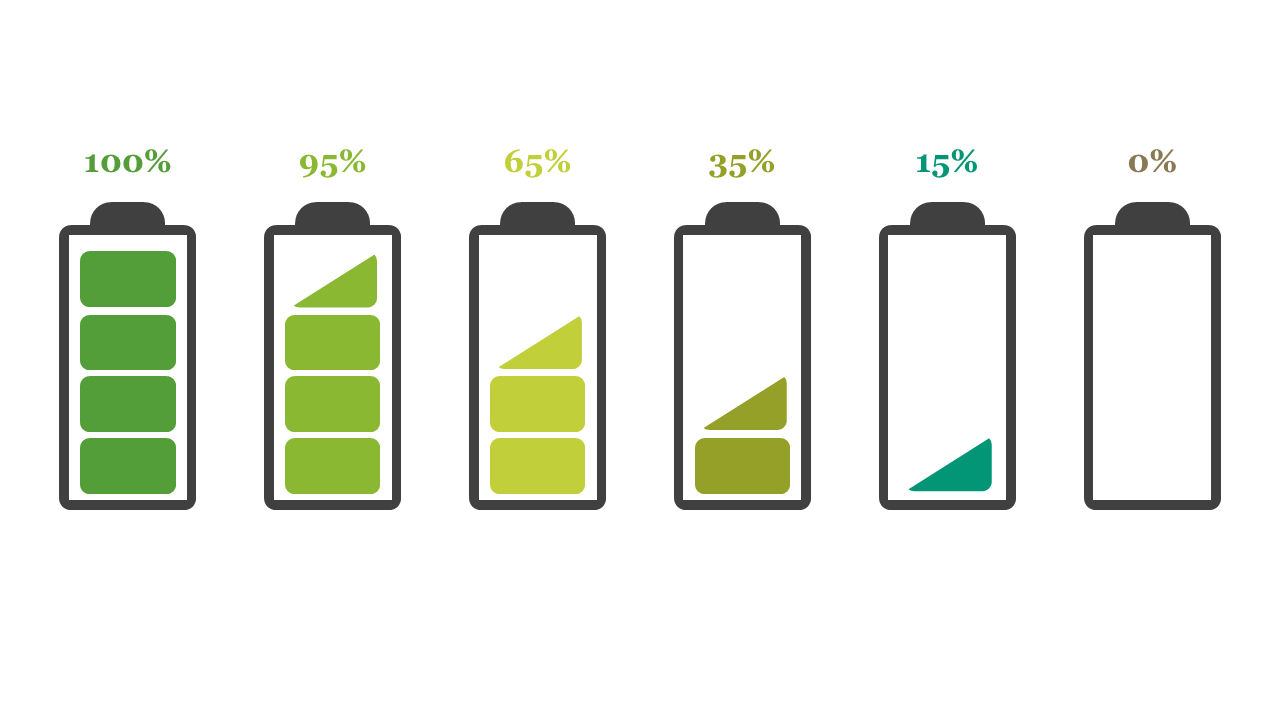
One of the primary contributors to battery health decline is the concept of charge cycles. A charge cycle is defined as the process of charging a battery from 0% to 100%, or a combination of partial charges that together equal 100%. Each time a battery undergoes a charge cycle, it experiences wear, gradually reducing its capacity. Most lithium-ion batteries, which power the majority of smartphones today, can endure approximately 300 to 500 charge cycles before they start to exhibit significant performance degradation.
Temperature is another crucial factor affecting battery health. Lithium-ion batteries are particularly sensitive to extreme temperatures. High temperatures can cause chemical reactions within the battery to accelerate, leading to faster degradation of the battery material. Conversely, very low temperatures can reduce a battery’s ability to hold charge effectively. Therefore, maintaining optimal operating temperatures is pivotal for prolonging the life of smartphone batteries.
Environmental conditions, along with individual usage patterns, significantly influence how quickly a battery deteriorates. For instance, consistently using power-intensive applications or features such as GPS, gaming, and video streaming can lead to increased wear. Additionally, keeping a device plugged in while it reaches full charge may result in unnecessary stress on the battery. Understanding these factors is essential for anyone looking to optimize their smartphone’s battery health and enhance its operational lifespan.
Understanding Battery Capacity and Performance
Smartphone battery capacity is commonly measured in milliamp hours (mAh), indicating the amount of energy a battery can store. Generally, a higher mAh rating suggests a greater potential for longevity, meaning that smartphones with larger capacity batteries can often sustain their daily usage over extended periods without requiring a recharge. For instance, a device equipped with a 4000mAh battery may provide longer usage time compared to one with a 3000mAh battery, assuming both phones operate under similar conditions.
However, battery capacity alone does not provide a comprehensive overview of performance. Several factors influence how effectively a battery meets user demands. Performance factors include software optimization, screen brightness, and the types of applications used. High-performance applications or games may consume significantly more energy from the battery than less demanding software, which, in turn, can lead to faster depletion of battery life.
Furthermore, the efficiency of the phone’s processor and other hardware components also plays a crucial role in battery performance. Modern smartphones often employ power-saving technologies, allowing devices to manage energy use more efficiently. These techniques can include reducing background activity for apps that are not in use or adjusting power consumption based on user behavior and app requirements.
As consumers adopt more battery-intensive habits, understanding the interplay between battery capacity and performance becomes increasingly important. Users are encouraged to regularly monitor their battery health, adjust settings, and choose apps wisely in order to enhance the overall longevity of their smartphone battery. When making purchasing decisions, potential users should consider both the mAh rating and how well the device balances performance demands with battery efficiency.
The Role of Silicon-Carbon in Battery Technology
In the ever-evolving landscape of battery technology, silicon-carbon composites are emerging as a significant advancement over traditional lithium-ion batteries. These innovative materials combine silicon, known for its high electrochemical performance, with carbon, enhancing the overall structural integrity and conductivity of the battery. One of the most critical issues with conventional lithium-ion batteries is their limited lifespan and capacity, primarily due to the degradation of graphite anodes over time. Silicon, on the other hand, can theoretically store ten times more lithium ions than graphite, paving the way for batteries that not only last longer but also offer increased energy density.
Silicon-carbon composite batteries exhibit several advantages, most notably their ability to withstand battery wear and tear. When silicon is combined with carbon, it mitigates the expansion and contraction that typically occurs during battery cycles—issues that lead to physical deterioration in traditional designs. As a result, these composite batteries can potentially enhance smartphone battery health, contributing to longer use times and fewer charging cycles throughout the product’s lifecycle.
Moreover, the transition to silicon-carbon technology is anticipated to create lighter and more compact batteries, which can significantly benefit smartphone design and portability. Manufacturers are exploring ways to integrate these advanced materials into existing smartphone models, not only improving battery performance but also making devices more environmentally friendly by reducing waste through longer-lasting power sources.
As the industry continues to innovate, the importance of silicon-carbon composites in battery technology cannot be overstated. Their potential to revolutionize smartphone battery health highlights the need for ongoing research and development in this field, ensuring consumers are equipped with devices that meet their energy demands without compromise.
Best Practices for Prolonging Smartphone Battery Life
To ensure the longevity and optimal performance of a smartphone’s battery, it is essential to adopt effective practices that contribute to battery health. One of the most critical aspects is managing charging habits. Ideally, it is recommended to charge the smartphone when the battery level dips to around 20% and unplug it once it reaches approximately 80%. This practice can minimize the cycles of full discharges and recharges that can be detrimental to lithium-ion batteries.
In addition to proper charging, users should also take notice of how they store their devices during prolonged periods of inactivity. When a smartphone will be unused for a while, it is best to store it with a battery charge of around 50%. Storing the battery while fully charged or completely drained can harm its overall capacity and lifespan.
Temperature management plays a significant role in battery maintenance as well. Smartphone batteries perform best in moderate temperatures, typically between 20°C and 25°C (68°F and 77°F). Exposure to extreme temperatures, both hot and cold, can lead to reduced battery performance and accelerated aging. Users should avoid leaving their devices in direct sunlight, hot cars, or cold environments for extended periods. Additionally, maintaining a stable temperature during charging is advisable; thus, users should refrain from using the device while it is charging, as this increases heat exposure.
Moreover, utilizing battery optimization settings available in many operating systems can help reduce background activity, limiting unnecessary power drain. Disabling features like location services or unnecessary notifications can further prolong battery life. By adopting these simple yet effective habits, smartphone users can significantly enhance their battery health and ensure consistent performance throughout the lifespan of their devices.
Myths Surrounding Smartphone Battery Care
As smartphone technology continues to advance, so do the misconceptions surrounding battery care. Many users believe in certain myths that may inadvertently harm their device’s battery health. One of the most prevalent myths is that leaving a smartphone plugged in overnight can ruin the battery. In reality, modern smartphones are equipped with smart charging technologies that regulate the flow of power, preventing overcharging. Thus, keeping your device plugged in overnight generally does not adversely affect battery longevity.
Another common myth is that battery health can be significantly improved by fully discharging the battery to 0% before recharging. This belief stems from older battery technology, specifically nickel-based batteries, which experienced memory effect issues. However, lithium-ion batteries, commonly used in smartphones today, do not suffer from this issue. In fact, regularly allowing a lithium-ion battery to fully deplete can shorten its lifespan. Instead, it is advisable to keep the battery charged between 20% and 80% for optimal health.
Additionally, many users assume that closing all background apps extends battery life. While it is true that some applications consume battery power, forcefully closing apps can lead to increased energy usage when those applications are reopened. The phone’s operating system is generally efficient in managing background tasks, and manually terminating them may not yield significant battery savings.
Finally, some users believe that using a phone case can trap heat and negatively impact battery health. While excessive heat can indeed be harmful, most smartphone manufacturers design their devices to withstand normal usage temperatures. Therefore, unless a specific case is known to cause overheating, using a case should not lead to detrimental effects on battery life. Understanding these myths is crucial for effective smartphone battery care and will help users maintain their devices’ longevity efficiently.
Apps and Tools for Battery Management
In the realm of smartphone technology, managing battery health is indispensable for optimal device performance. Fortunately, numerous apps and tools are designed to assist users in monitoring battery health and making informed decisions regarding their usage patterns. These solutions can extend the longevity of a smartphone’s battery, enhancing user experience.
One such app is AccuBattery, which is widely regarded for its ability to provide comprehensive insights into battery health. This tool tracks charge cycles and shares details about battery capacity, temperature, and charge rates while offering alerts when the battery charge is near its maximum. Users can utilize this data to avoid overcharging, which is a primary cause of battery degradation.
Another notable option is GSam Battery Monitor, which provides extensive statistics regarding battery usage. This tool allows users to identify which apps consume the most power, enabling them to adjust their usage habits accordingly. By tracking historical data and providing real-time insights, users can optimize their device settings and reduce battery drain.
For iPhone users, Battery Life offers similar functionality, providing detailed information about battery status and health. This app allows users to evaluate battery cycles and recommend optimal charging practices, helping users maintain their device’s efficiency and lifespan.
Several built-in smartphone features can also assist in battery management. For instance, both Android and iOS devices come with battery optimization settings that help manage power consumption by regulating app activity in the background. Using these native tools alongside dedicated apps can create a thorough battery management strategy.
In summary, employing a combination of dedicated apps like AccuBattery, GSam Battery Monitor, and Battery Life, along with the built-in features, allows users to monitor and enhance their smartphone battery health effectively. Such practices can significantly contribute to extending battery lifespan and improving overall device performance.
Conclusion: Embracing Smart Practices for a Sustainable Digital Life
In the era of rapid technological advancements, smartphone batteries remain a critical component impacting our daily digital experiences. Throughout this discussion, we have explored the various dimensions of smartphone battery health, including its underlying science and the significant habits that contribute to battery longevity. By understanding the chemistry of lithium-ion batteries and the factors influencing their performance, users can take actionable steps to prolong their lifespan.
One of the most essential strategies highlighted is the importance of regular charging habits. Avoiding extreme low and high charge levels can help maintain optimal battery health. Additionally, utilizing adaptive brightness and managing app usage are practices that can efficiently conserve energy and minimize unnecessary drain on the battery. Implementing these strategies not only results in a longer-lasting battery but also contributes to a more sustainable approach to technology, reducing electronic waste over time.
Furthermore, being mindful of environmental factors such as temperature and humidity can significantly affect battery performance. By protecting smartphones from extreme conditions, users can ensure their devices operate within a safe range, thereby enhancing the overall battery health. Users need to consider these factors holistically to truly embrace a sustainable digital lifestyle.
Ultimately, adopting smart practices for smartphone battery maintenance plays a crucial role in maximizing both performance and longevity. A conscious effort to maintain battery health leads to an enhanced user experience and promotes a more sustainable relationship with technology. By committing to these habits, individuals can enjoy their smartphones for longer periods, minimizing the need for replacements and fostering a greener future.