
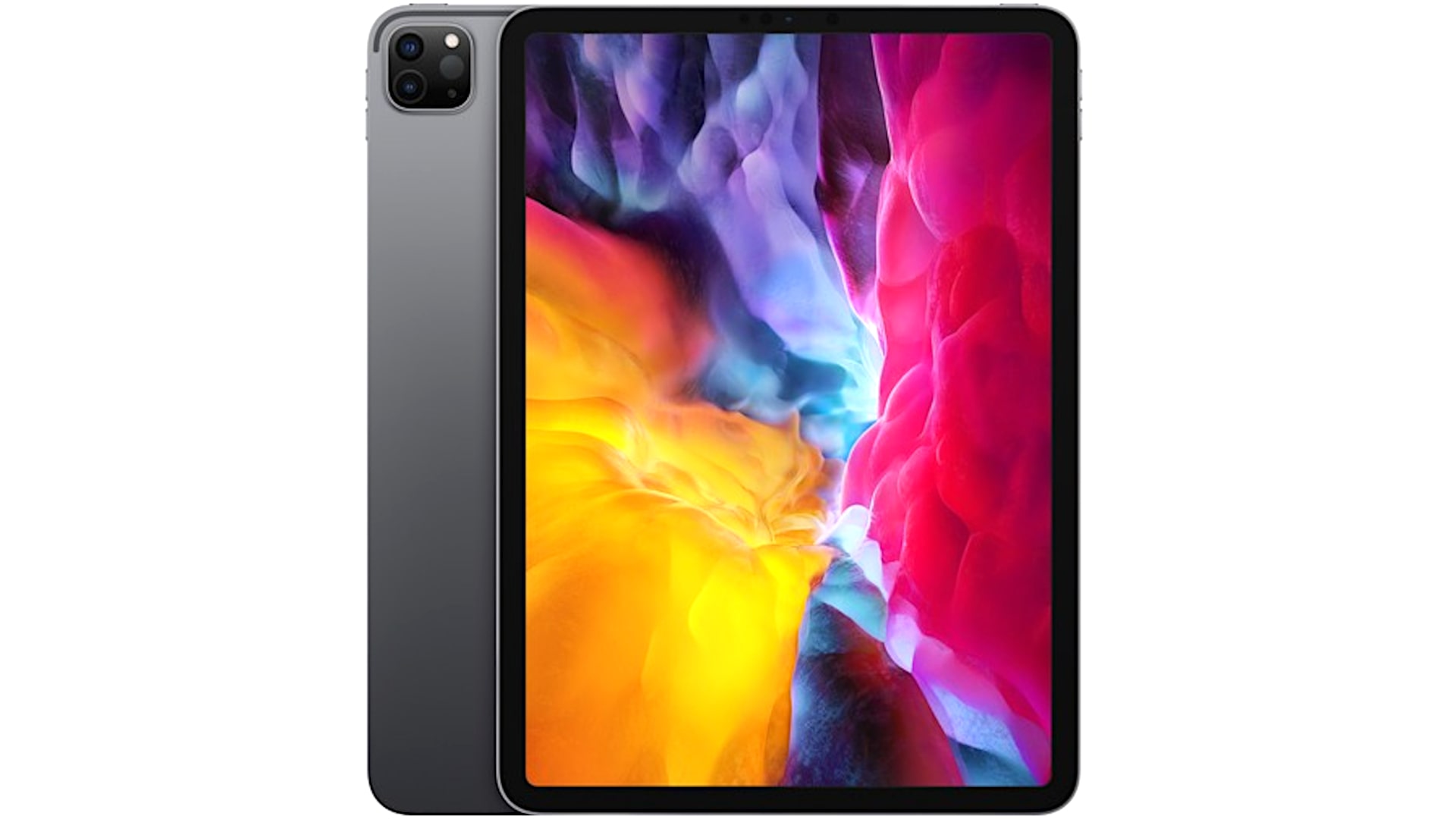
In this article, I give you my Apple iPad Pro (2020) review with specs included. For the 11-inch model, this is the second generation, while the 12.9-inch model is in its fourth generation of the Pro line.
Firstly, as you may already know, there aren’t any significant upgrades compared to the previous generation. The good news is that if you already own the previous model, you likely won’t feel compelled to spend money on this one. However, we all appreciate progress, especially since it’s been about 500 days since Apple last refreshed the Pro line.
So, what’s new? The base storage has been doubled. This is a nice improvement that Apple tends to make as they move from one generation to the next. Instead of the previous 64 GB, the base model now starts at 128 GB, with options for 256 GB, 512 GB, or even a terabyte of storage. Regardless of the size you choose, this is a welcome change.
Another upgrade is the RAM. Both models now come with 6 GB, up from 4 GB in the previous generation. This increase leads to a better user experience—less reloading of Safari tabs, for instance. While Apple’s operating system is optimized for RAM, it was clear that more was needed for a power-user device like the Pro iPad.
The Apple A12Z Bionic chip is included, replacing the A12X. This means that while the CPU is essentially the same, Apple has enabled an additional GPU core that was disabled in the A12X, resulting in slightly better graphics performance. However, there is no compelling reason to upgrade unless you absolutely need the latest features. It’s unclear why the iPad didn’t receive the A13 chip like the current iPhone models.
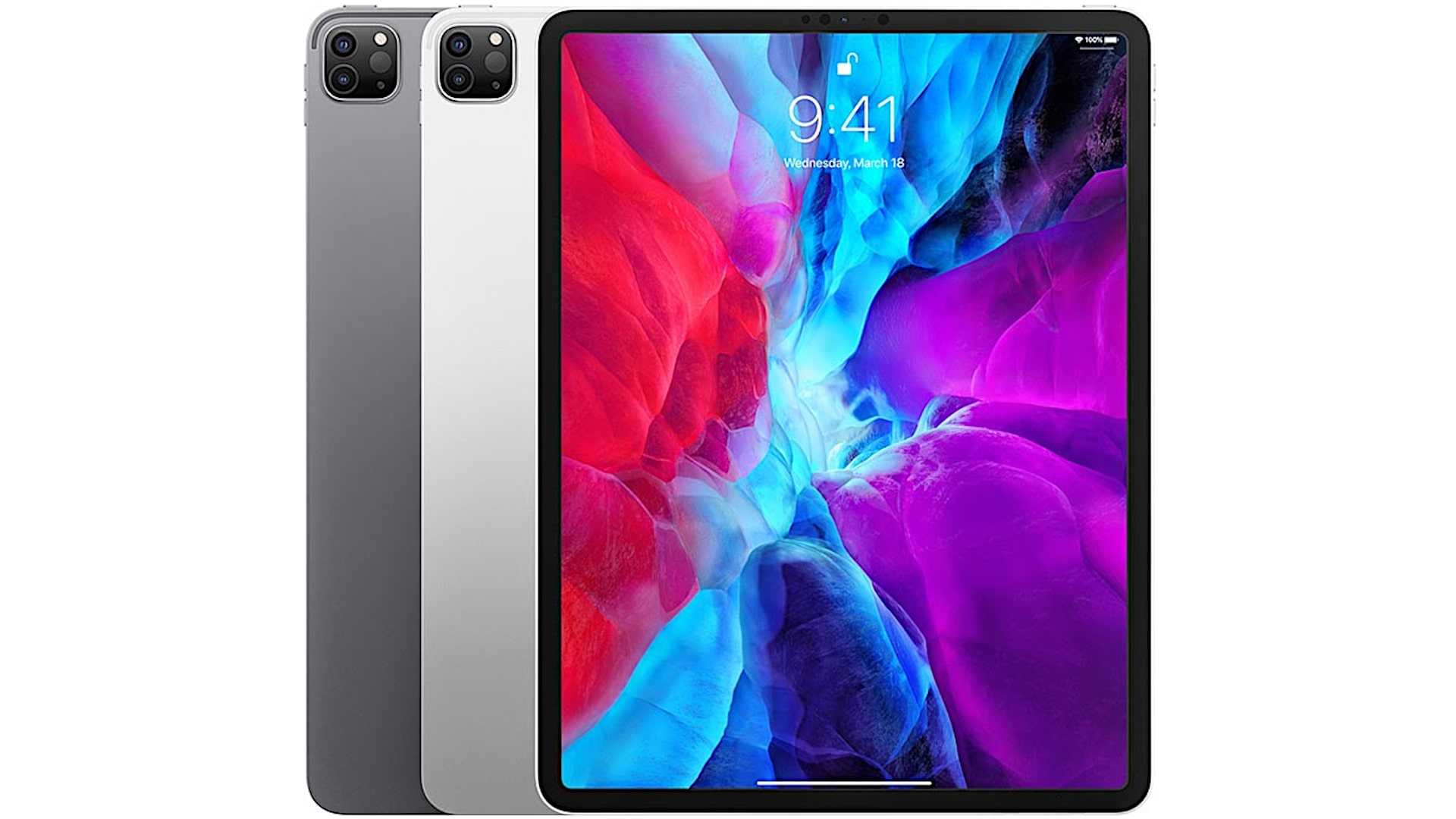
Lastly, the distinctive camera cluster resembles that of the iPhone 11 Pro and Pro Max. It features two cameras instead of three, and while it lacks a telephoto lens, it does include a 10-megapixel wide-angle camera.
Surprisingly, the camera quality is quite impressive for a tablet. While you wouldn’t expect much from a tablet’s camera, these take decent pictures. In fact, photos taken indoors in mediocre lighting from the iPhone 11 (2020 model) are quite solid. However, while this camera performs well, it won’t outdo the iPhone 11 Pro or Pro Max. Still, compared to other tablets, it stands out easily.
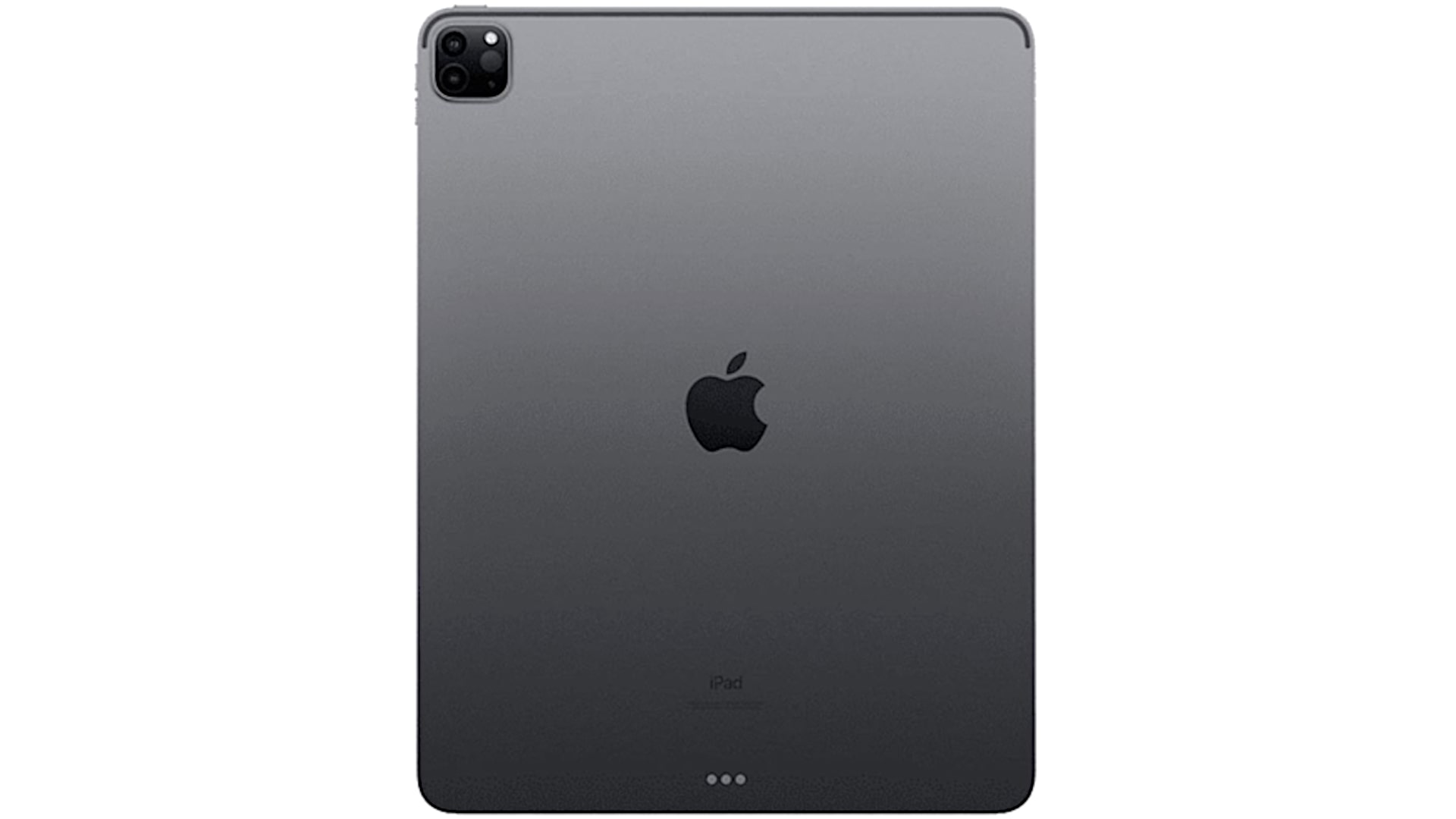
Apple claims that the audio recording quality has improved. It does sound a bit better; while it’s not studio-quality, it is an upgrade. The device features three microphones, which is a nice addition.
Regarding the cameras, there is no portrait mode or night mode available for the rear cameras, although the front camera does have a portrait mode. It performs surprisingly well for selfies.
Additionally, the new model includes LiDAR technology, which we’ve also seen in some robotic vacuums and self-driving cars, like Teslas. LiDAR measures the dimensions of a room and the location of objects to create a spatial model, enhancing the experience of augmented reality (AR).
Whether you’re using the IKEA furniture placement feature or playing an augmented reality (AR) game, the experience is noticeably improved. Previously, waving your hand in front of the camera could result in unexpected occurrences, such as furniture floating in the air when someone walked by. Now, if you place a virtual chair using the IKEA app, it stays grounded on the floor, creating a realistic effect as people walk past it.
Is this going to change your world? Probably not. Apple seems excited about this improvement, hinting that they may release additional augmented reality products that could work in conjunction with it.
On another note, Wi-Fi has been upgraded from Wi-Fi 5 to Wi-Fi 6. While not everyone has Wi-Fi 6 access points yet, they are widely available for purchase, making this a future-proof feature.
If you choose the LTE plus Wi-Fi model instead of just the Wi-Fi model, you’ll still get gigabit 4G LTE. However, integrated 5G LTE is likely not to appear until Apple releases an A14 Bionic chip. When will that happen? It’s uncertain when the next refresh of the iPad Pro will occur or if Apple will introduce a higher-tier model. I hope they don’t, since iPad Pros are already quite expensive.
The pricing remains unchanged, starting at $799 for the 11-inch model and $999 for the 12.9-inch model. Costs increase if you want 4G LTE capability or if you opt for higher storage options.
The base model comes with 128 GB of storage, which is reasonable given the amount of cloud storage many of us use. However, if you’re using it for video editing with LumaFusion or the included iMovie app, you may want to consider a model with more storage.
Interestingly, although the CPU and GPU upgrades aren’t drastically significant, these devices are incredibly powerful if you can manage your workflow on an iPad. Personally, I find it challenging to transfer files to and from the iPad, but this model allows for faster editing and exporting of 4K video than even the 2020 MacBook Air, which is quite impressive.
If you check benchmark graphs, like those from Geekbench 4 or Geekbench 5 (though many people are still familiar with Geekbench 4 scores), you might find that the multi-core score places it on par with an HP Spectre X360 13-inch that has an Intel 10th-generation CPU.
Apple claims that this could be your new laptop alternative. If you’re looking for a touch experience with an Apple product, this is currently your best option, and with this new iPad, that claim feels increasingly valid.
Additionally, the introduction of a file manager makes it easier to transfer files, especially given the availability of cloud services, which further simplifies the process.
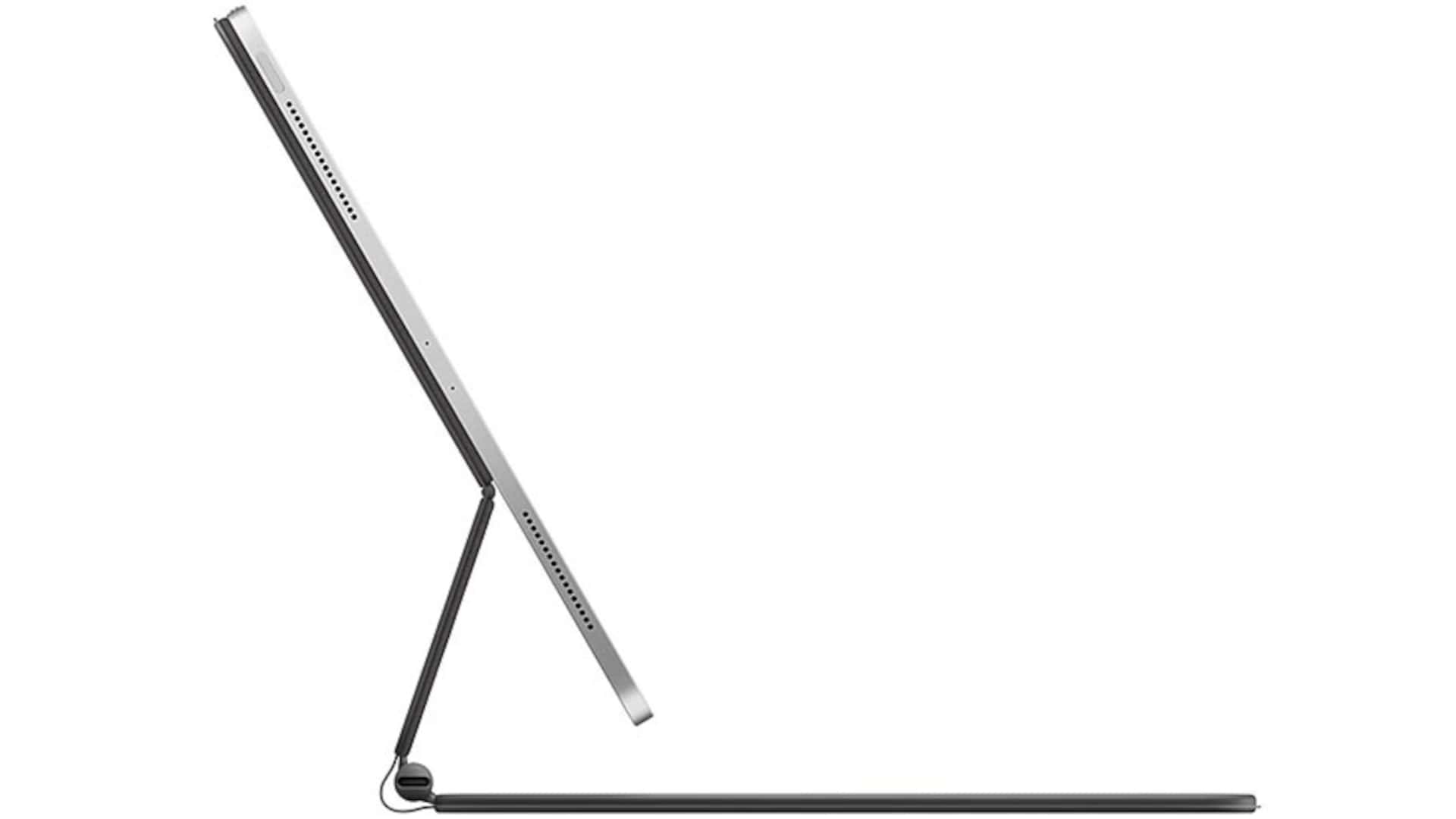
Apple has its new Magic Keyboard (released on May 25th), and this one adds a trackpad. iOS 13.4, which came out with these new iPads, does support trackpads. You can use them with other iPad models that are upgradable to this version of the operating system.
For the Pro models, the 11-inch and the 12.9-inch, they have this new Magic Keyboard Folio case. Yes, it’s a case; it protects the front and the back.
It has a Magic Keyboard, which means the one-inch travel scissor key. Kind of nice, normal keyboard like on the 16-inch MacBook Pro, the 2020 MacBook Air, or the desktop keyboard that you can use with iMacs or anything that you want.
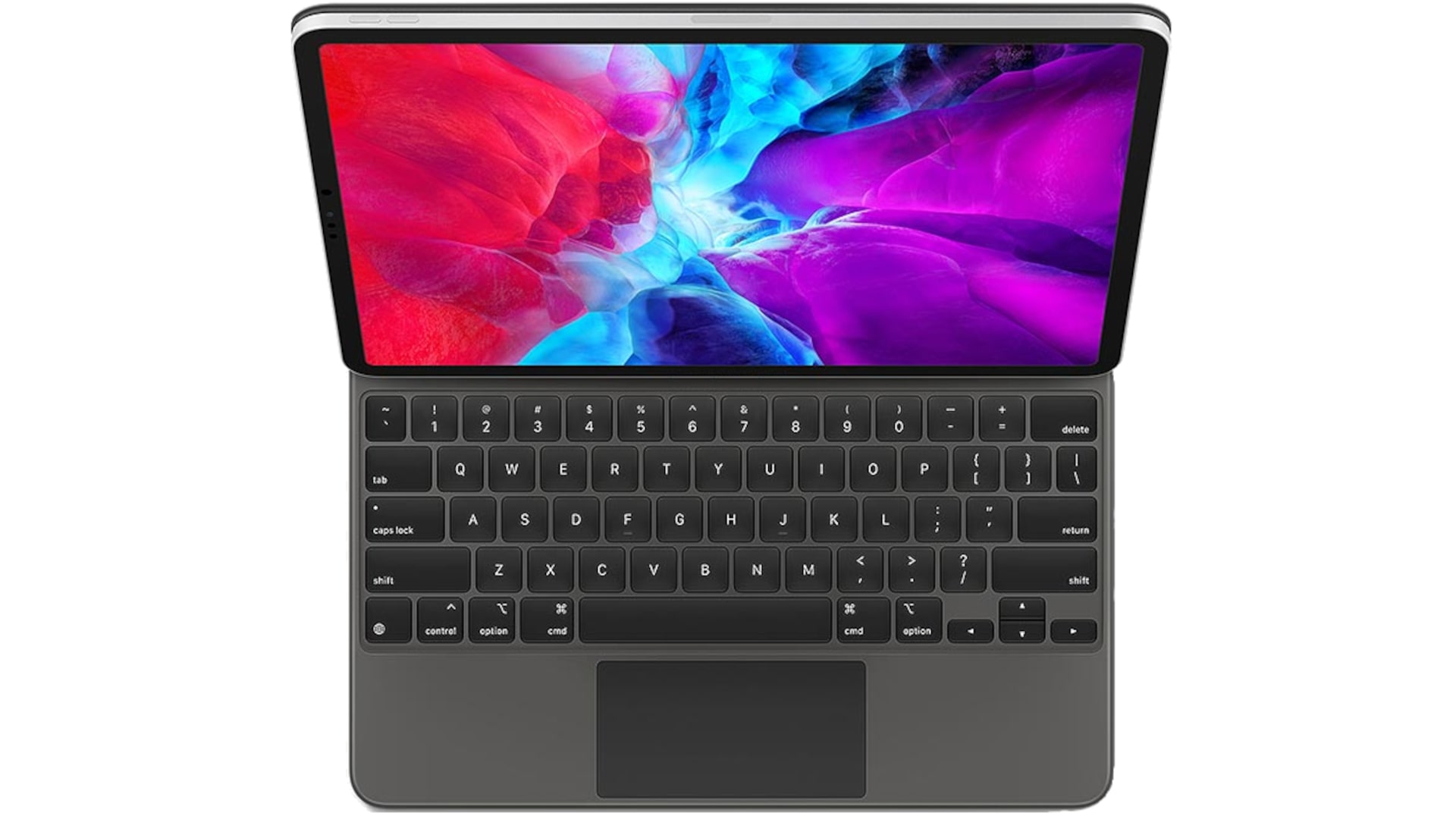
The new typing experience offered by the Magic Keyboard is significantly better than that of the fabric case, which is still available for $179 to $199, depending on the size. This new keyboard features a trackpad and various innovative functionalities that make it distinct from the Mac OS version. The gestures are more object-oriented, making it highly usable and ergonomic as a laptop replacement. Selecting text is straightforward; you no longer need to use your finger or even the Apple Pencil 2, which is compatible with the keyboard.
However, the pricing remains a downside, as is typical with Apple products. The Magic Keyboard is priced at $300 for the 11-inch model and $350 for the 12.9-inch model. This means that a $300 keyboard accessory is being sold for a $799 tablet, which is nearly 40% more than the tablet’s price.
The Apple Pencil 2 is also compatible with these devices and costs $129. It offers an exceptional experience comparable to the Wacom EMR and Cintiq, as well as more expensive mobile Studio Pro portable Windows computers for digital art. The pressure levels, tilt, and sensitivity of the Apple Pencil are excellent. As someone who enjoys digital art as a hobby, I find the iPad Pro to be an outstanding tool for my creative endeavors.
In some cases, the iPad Pro could save you money compared to alternatives like the Wacom Mobile Studio Pro or the Cintiq if you’re seeking that level of pen experience, which even surpasses that of the Microsoft Surface Pro, despite my fondness for Surface devices and the HP Spectre x360.
Moreover, considering software costs, if you use Windows or Mac and require applications like Photoshop, you’ll face an Adobe Creative Cloud subscription that can be quite expensive. In contrast, Procreate is superb and available for just $9.99. There’s also Photoshop for the iPad, which, while not as feature-rich as its desktop counterpart, does offer solid photo editing capabilities.
Should you choose the iPad Pr,r a MacBook Air, or a Windows tablet like the Surface Pro? If you specifically need desktop applications and their functionalities—especially if you’re a professional artist working with workflows required by companies like Disney—you might want to stick with a desktop operating system. Personally, I wouldn’t want to spend weeks editing videos for YouTube on an iPad. While it’s possible, the workflow is generally more convenient on a desktop.
However, if you’re doing word processing, streaming videos, or casually editing videos or photos, using an iPad can be quite enjoyable, especially with the Apple Pencil or your finger for touch-ups and adjustments.
As for which size iPad Pro to choose, I often encounter this question whenever Apple refreshes the iPads. I’ve been using the 12.9-inch iPad Pro, which I chose because I do a lot of art, and a larger canvas is preferable. However, I have a love-hate relationship with the 12.9-inch model; its size can be awkward. This is why many Windows tablets tend to be smaller. I like being able to turn a tablet around to show someone something without worrying too much about knocking it over.
For those wanting a laptop replacement, the 12.9-inch model makes sense, especially for artists. But for casual users, the 11-inch model is a sweet spot for portability; it’s easy to hold and lighter, weighing one pound compared to 1.4 pounds.
Both models feature the same Liquid Retina display, offering a 120Hz refresh rate and a wide P3 color gamut. While it’s a step up from the cheaper iPad models, there’s no significant upgrade from previous generations. The display brightness reaches 600 nits, up from 500 nits previously, making it quite bright for a tablet.
Battery life remains largely unchanged, with around 10 hours for the Wi-Fi-only model and 9 hours for the LTE model. As is typical, Apple tends to understate battery performance. The battery capacities are 28.6 Wh for the 11-inch model and 36.71 Wh for the 12.9-inch model.
Out of the box, you receive an 18-watt USB-C charger, which is compact, along with a 1-meter (3-foot) USB-C cable. That cable length may feel a bit short for a Pro model, so you’ll need to be close to an outlet or purchase a longer cable. Other features remain the same, with USB-C connectivity allowing you to use the same adapters designed for MacBook Pro or MacBook Air.
Apple iPad Pro (2020)
-
Performance - 97%97%
-
Price - 96%96%
-
Value - 97%97%